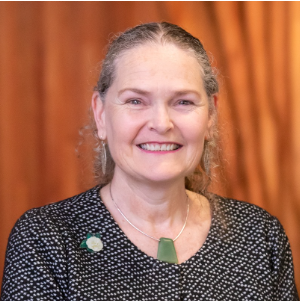
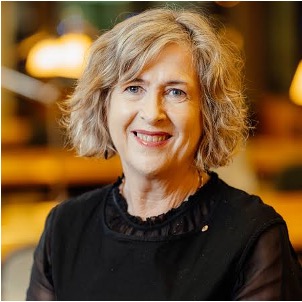
Rachel Esson
Chair
Te Pouhuaki National Librarian for Aotearoa New Zealand
National and State Libraries Australasia incorporated in 2023, after fifty years of continuous collaboration on behalf of the library sectors in Australia and Aotearoa New Zealand.
Our constitutional purpose is to bring together the knowledge and expertise of our ten member libraries in order to build, manage and provide access to library collections and services that reflect the diversity of the communities we serve. Each member library is represented on NSLA's board by its chief executive, state librarian, or director-general. The Chair of the board is nominated by vote for a two-year term.
After fifty years of working together, the NSLA collaboration has become a driving force for innovation and professional development. Our association provides a mechanism for joint approaches to collecting, service delivery, research, advocacy, skills development and library standards, bringing the benefits of shared expertise and economies of scale to a collaborative program of work. The NSLA program is managed by the NSLA office, working with a series of professional networks and advisory groups from across the member libraries.
Chair
Te Pouhuaki National Librarian for Aotearoa New Zealand

Deputy Chair
CEO and State Librarian, State Library of Western Australia
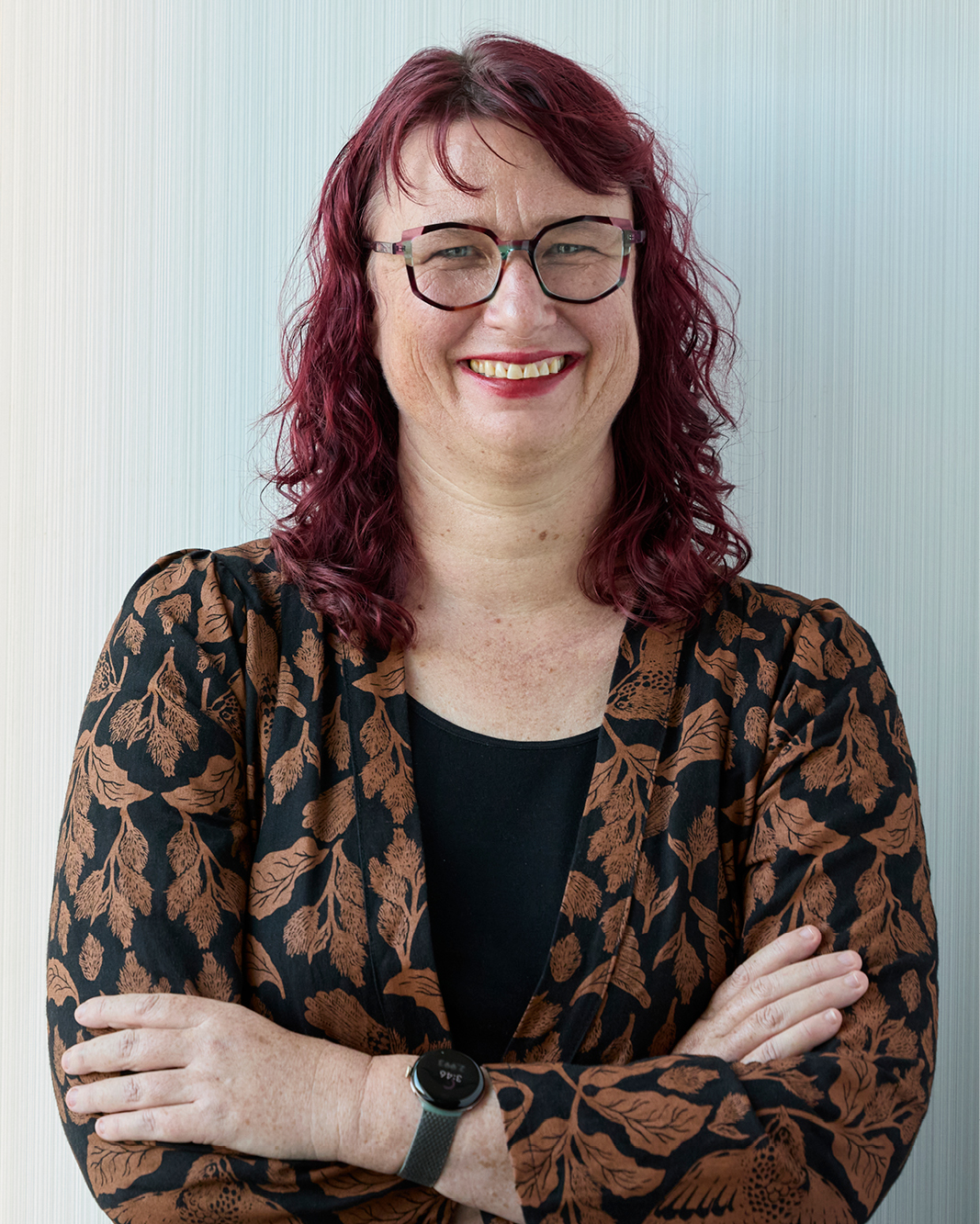
CEO and State Librarian, State Library of Queensland
Director-General, National Library of Australia

Director, State Library of South Australia

State Librarian, State Library of New South Wales
Executive Director, Libraries Tasmania

Interim CEO, State Library Victoria

Director of Territory Records, ACT Territory Records Office

NSLA Executive Director • simon.polson@nsla.org.au

NSLA Program Coordinator • aimee.hay@nsla.org.au
NED Program Manager • vanessa.haines@nsla.org.au
The State Librarians Council (SLC) meets for the first time at State Library Victoria on 30 March 1973. The meeting is called by the State Librarian for Victoria, Mr Ken Horn. This marks the beginning of fifty years of continuous collaboration among Australia's library leaders.
The Northern Territory Library (later LANT) joins the State Librarians Council.
The National Library of Australia joins the State Librarians Council as an observer, then as a full member.
The ACT Heritage Library (later Libraries ACT) joins the State Librarians Council.
The SLC changes its name from State Librarians Council to State Libraries Council.
The State Libraries Council changes its name to the Council of Australian State Libraries (CASL).
The National Library of New Zealand begins attending CASL meetings as observer, then as a member from 2005, extending the council's reach across Aotearoa New Zealand.
The Council of Australian State Libraries changes its name to National and State Libraries Australasia (NSLA). The first meeting of NSLA takes place at the State Library of Western Australia in September 2006.
NSLA releases its strategic plan, The Big Bang: Creating the new Library Universe (2007-09), representing a radical departure from previous ways of working, with a collective focus on digital services, processes and infrastructure.
NSLA releases its first formal position statement on Aboriginal and Torres Strait Islander services and collections, sharing a commitment to working in accordance with nationally and internationally recognised protocols.
NSLA releases the two-year Leading Collaboration strategic plan (2015-2017) with two broad strategies: "shared solutions" and "communication and influence".
The three-year Culturally Safe Libraries Program is launched with the aim of improving cultural safety for Aboriginal and Torres Strait Islander library staff and visitors. The program includes Core Cultural Learning delivered to 2000 employees and Indigenous collections workshops across NSLA libraries.
The National eDeposit service (NED) is launched after a four-year design and build phase, representing a world-first collaboration to create a unified system for collecting, preserving, managing, and providing access to electronic publications under legal deposit legislation.
NSLA's strategic plan is launched, identifying three priorities for collaboration: shared digital systems, strengthening community identity, and building cultural and intellectual capital.
NSLA undertakes a detailed analysis of over 18,000 records of contemporary Indigenous collections. Australian Research Council funding is awarded to support an Emulation as a Service Infrastructure (EaaSI) network in Australia for better access to legacy born digital collections.
NSLA members make the important decision to register as an incorporated association under ACT legislation, establishing NSLA as an independent entity. Work begins with ALIA, CAUL, CAVAL and AIATSIS on a sector-wide set of guidelines for description of First Nations collections.
NSLA celebrates its 50th anniversary, marking five decades of collaboration and continuous service to the library sector in Australasia. The organisation has evolved from a council of advocates to an incorporated association driving innovation and professional development.